
Running meetings
Be mindful of our audience

This is more geared towards masonry, but can be applied to just about anywhere.
When I first joined the freemasons in 2013, the business meetings in just about every single lodge I visited was the same. All of the lodges followed the same exact agenda, and the meetings comprised of spending time introducing visitors (who we all knew), paying bills, talking about whatever little business we had to deal with, and finally making a bunch of announcements before everyone running out the door to get home.
These meetings went from anywhere from an hour, to over two hours, depending on the agenda for the evening.
Studies have shown that people’s attention span in a class setting tends to wander after about 15-20 minutes, and they stop absorbing whatever is being taught after an hour. Perhaps it’s because we’ve been conditioned growing up that a school class was fifty minutes and that carries on through our lifetime. It’s a reason why churches typically will limit their sessions to about an hour. Three hundred years ago a church service would last for hours, with sermons that went on seemingly forever. They even employed “Sluggard Wakers” to literally beat sleeping parishioners over the head with a stick.
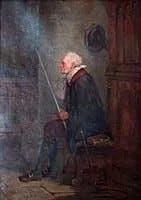
With that in mind, it is important to keep meetings both within certain time limits as well as engaging for everyone.
During a meeting, the person running it should set aside some time beforehand going over their agenda, and make changes as needed to make sure both of those considerations are met. There are some aspects of a masonic meeting, for example, that can’t be overlooked as there are restrictions within the rules as to when certain things need to be done. But otherwise, the person running the meeting has some flexibility of shifting, shortening, or even getting rid of things entirely if he or she knows the meeting is going to go long.
You must always be mindful of everyone’s time.
According to Washington Masonic Code and the by-laws of a lodge, meeting times and places are set in stone. But that doesn’t mean you can’t conduct “business” outside of a tiled lodge.
For example, have guests make announcements during dinner. Perhaps during the meal have your masonic education presented.
You can also table business until the next meeting if it’s not important and can wait.
I’ve attended a meeting that was so excruciatingly long that after two hours, I had to sign out and leave. It was a work night, and the master’s final lodge meeting of his year. It felt like he just didn’t want to let go, and the meeting was still going strong when I left. I don’t think I’ve gone back since. Within that lodge such meetings might be the norm and accepted, but for visitors maybe not so much.
The environment of the lodge should be considered as well. Lodge rooms, by design, typically lack windows that open, or other methods of cooling down a space filled with overdressed men who are digesting their tater tot casserole meal. In the summer especially, lack of cooling can make meetings insufferable. To combat this, lodges don’t have scheduled meetings during the warmer parts of the year, or relax dress codes. Sometimes though it’s not enough. Be mindful, especially with older members, excessive heat can be dangerous.
To summarize, know your audience and be careful not to waste their time needlessly. Keep in mind their time and you’ll find that people will enjoy your meetings a lot more..